In an increasingly competitive trading environment, access to innovative tools has become essential for achieving consistent and informed results. Modern traders seek platforms that offer more than just execution—they require integrated solutions that support analysis, strategy development, and efficient management of positions. Within this context, an advanced cfd trading tools review highlights how cutting-edge platforms are transforming trading by delivering precision, flexibility, and real-time insights that align with today’s market demands.
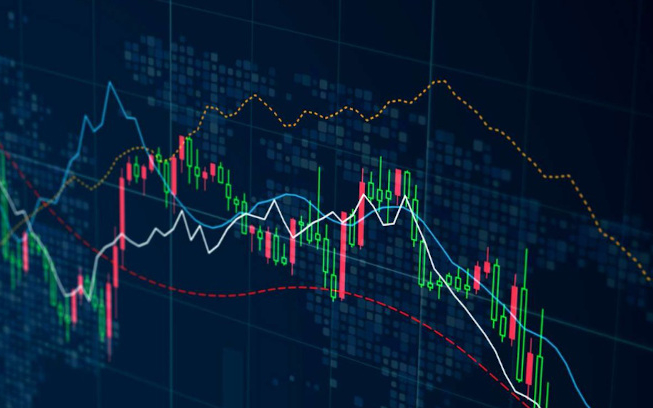
A key trend shaping the evolution of CFD trading tools is the continuous improvement of analytical features. Advanced platforms now provide comprehensive charting environments equipped with multiple indicators, timeframes, and drawing options. These capabilities enable traders to examine price movements in detail and identify patterns that may signal potential opportunities. Customization options further enhance usability, allowing traders to tailor their workspace according to their specific strategies.
Automation is another major factor influencing modern trading practices. With automated systems, traders can set predefined rules for entering and exiting positions, ensuring that strategies are executed consistently. This reduces the need for constant manual oversight and helps eliminate emotional decision-making. As a result, traders can maintain a disciplined approach while focusing on refining their overall strategy.
Real-time data access has also become a cornerstone of advanced trading tools. Platforms now integrate live market feeds, ensuring that traders receive up-to-date information on price movements and market conditions. This immediate access to data allows for quicker reactions and more accurate decision-making, which is crucial in fast-moving markets.
Risk management tools have evolved to offer greater control and flexibility. Traders can implement features that define clear parameters for managing positions, helping to maintain consistency and protect capital. These tools support a structured trading approach, enabling users to stay aligned with their strategies even during periods of market volatility.
User experience design plays a significant role in the effectiveness of trading platforms. Modern interfaces are built to be intuitive and efficient, reducing complexity while maintaining access to powerful features. Custom dashboards, streamlined navigation, and responsive layouts contribute to a smoother trading experience, allowing users to focus on analysis and execution without unnecessary distractions.
Another notable trend is the emphasis on cross-device functionality. Traders can seamlessly switch between desktop and mobile platforms, ensuring uninterrupted access to their accounts. This level of flexibility allows users to monitor positions and respond to market changes regardless of their location, enhancing overall responsiveness.
Additionally, integrated market insights have become an essential component of advanced tools. Features such as economic calendars, news updates, and analytical content provide valuable context for trading decisions. By combining technical analysis with broader market information, traders can develop more comprehensive and well-informed strategies.
In conclusion, advanced CFD trading tools are redefining the trading experience by offering a powerful combination of technology, usability, and insight. As these tools continue to evolve, traders who leverage their full potential are better positioned to navigate complex markets and achieve more consistent outcomes.