Performing artists encounter rigorous physical and mental challenges that require a comprehensive approach to health and wellness. Medically supervised care in performing arts medicine offers specialized support that enables dancers, musicians, actors, and vocalists to optimize their stage performance while maintaining long-term health. This clinical Performing Arts Medicine tailored medical treatment, preventive strategies, and education, all grounded in scientific evidence and delivered through multidisciplinary collaboration.
The physical demands of performing arts are significant and varied. Artists often face repetitive strain injuries, musculoskeletal imbalances, vocal fatigue, and psychological stress. Left unaddressed, these issues can hinder performance quality and shorten professional careers. Medically supervised care provides a proactive framework that not only treats injuries but also emphasizes prevention and performance enhancement.
A central element of this care model is individualized assessment. Clinicians trained in performing arts medicine conduct thorough evaluations of physical function, technique, and ergonomic factors specific to each artist’s discipline. For example, dancers undergo biomechanical assessments to identify movement patterns that may predispose them to injury, while musicians are evaluated for postural stresses and repetitive motion risks. Vocalists receive detailed examinations of vocal mechanics and breath support. These assessments inform personalized treatment and conditioning plans.
Evidence-based interventions are employed to address both acute and chronic conditions. Physical therapy, manual therapy, and targeted exercise regimens improve strength, flexibility, and endurance essential for stage performance. Research in journals such as the Journal of Dance Medicine & Science supports the use of conditioning programs to reduce injury incidence and enhance recovery in dancers. Similarly, voice therapy guided by speech-language pathologists aids vocalists in maintaining optimal voice function and preventing strain-related disorders.
Mental health care is also integral to medically supervised programs. Performance anxiety and stress can negatively affect concentration, physical coordination, and overall well-being. Psychological support, including cognitive-behavioral techniques and relaxation training, helps artists manage these factors, contributing to improved focus and resilience on stage.
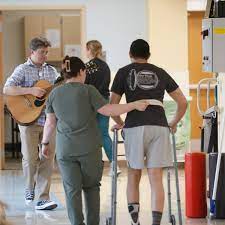
Education and community outreach further enhance the impact of medically supervised care. Workshops, seminars, and resource materials teach artists about injury prevention, proper technique, nutrition, and self-care strategies. Clinics often collaborate with performing arts organizations to increase accessibility to these resources, promoting health care for all communities within the arts sector.
Ongoing monitoring and follow-up care ensure that interventions remain effective and adapt to changes in training intensity or performance schedules. This dynamic approach facilitates timely adjustments that optimize performance while minimizing injury risk.
In conclusion, medically supervised care in performing arts medicine offers a comprehensive approach to enhancing stage performance. By integrating individualized assessment, evidence-based treatment, mental health support, and educational outreach, this model addresses the complex demands placed on artists. Such care supports sustained performance quality and health, contributing to longer and more successful artistic careers. Continued research and collaboration within this field will further refine clinical practices and expand access to specialized care for performing artists.